

Cognitive Behavioural Therapy (CBT) in Bournemouth
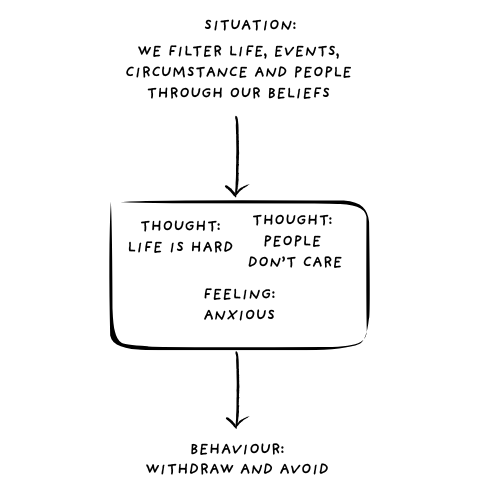
Cognitive Behavioural Therapy (CBT) is an evidence-based talking therapy that helps people understand, manage and overcome struggles such as depression and anxiety. CBT is based on the premise that how we think about situations can affect the way we feel and behave. In other words, unhelpful thoughts (like “I always fail”) can lead to negative emotions and avoidant actions. CBT combines cognitive therapy (examining and changing thoughts) with behavioural therapy (trying out new actions) to break this cycle.
As a Cognitive Behavioural Therapist in Bournemouth with 20 years of experience offering CBT in Dorset, I’ve seen how CBT can guide people to challenge negative beliefs and build healthier habits. In fact, I’ve now worked with over 6,000 individuals using CBT to heal from trauma and overcome anxiety that might have been there for decades. Whether you are looking for CBT in Bournemouth or elsewhere I can provide in-person therapy or online therapy for clients across Dorset and the UK.
How CBT Works
CBT sessions are collaborative and structured. In a typical session we talk through a specific situation or worry you have, identify any harsh or distorted thoughts, and then challenge those thoughts with more realistic perspectives. For example, if you catastrophise by thinking “This presentation will go terribly,” we would work together to reframe that “I’ve prepared for this talk, so even if I stumble I can recover”. You’ll often be given practical homework exercises between sessions (like thought logs or behavioural experiments) to practice new skills. Over time, these exercises help rewire your thinking and reduce unhelpful patterns, improving mood and coping in daily life.
CBT is usually short-term (often 6–12 sessions) and goal-focused: we decide together what you want to achieve (such as reducing panic attacks or lifting persistent low mood) and track progress.
In Therapy
In CBT therapy in Bournemouth you have my full attention and support as I listen and guide you. Sessions feel conversational but purposeful — we might draw diagrams, review audio/video recordings, or role-play scenarios. It’s a safe, confidential space to open up. Each session typically lasts about 55 minutes.
Importantly, CBT is backed by strong evidence and official guidance. The UK’s National Institute for Health and Care Excellence (NICE) recommends CBT for depression and all anxiety disorders. In fact, NICE guidance formed the basis of our national IAPT programme, emphasising CBT as a first-line psychological treatment. This means the tools and techniques we use have been shown in research to work. By the time your course of CBT ends, you’ll have learned skills (like relaxation techniques, realistic thinking, and problem-solving) that you can continue to use, giving long-term benefit.

CBT for Anxiety
Many people come to CBT seeking relief from anxiety (worry, panic, phobias, PTSD symptoms, etc.). In therapy, we first learn to manage physical symptoms (for example with breathing or grounding exercises) and then address the underlying thoughts (e.g. “I’m going to embarrass myself”). We use techniques like exposure therapy (gradually facing what you fear, under guidance), cognitive restructuring (challenging catastrophic thoughts), and relaxation strategies. NICE specifically recommends CBT as a first-choice treatment for anxiety disorders, reflecting its strong track record. With practice, clients often report fewer panic attacks, less overall worry, and more confidence.
I provide specialised therapy for anxiety in Bournemouth and across Dorset. If you are based in Bournemouth then together we’ll tailor CBT to your situation (for instance, targeting social anxiety vs. generalised anxiety) in a warm, supportive way. Beyond therapy sessions, I also encourage everyday strategies: (breathing exercises, mindfulness, healthy routines, etc.) to feel steadier between sessions.
CBT for Depression
CBT is also highly effective for depression. Depression often involves negative thinking loops (“Nothing will ever change”) and withdrawal from activities. In CBT for depression, we identify these unhelpful thoughts and behaviour patterns and replace them with more balanced ones. For instance, if you feel “I can’t do anything right,” we examine the evidence for and against that thought. We might also gently schedule enjoyable or meaningful activities (behavioural activation) to help lift your mood step by step. Studies show CBT leads to significant improvements in depression, and NICE guidelines include CBT as a key treatment option for moderate-to-severe depression.
In practice I see clients start to notice even small shifts — better sleep when a negative thought is challenged, or more motivation to go outside after setting a goal. Remember, CBT is a skill you learn: by the end of therapy, many people feel equipped to prevent a relapse on their own.
Besides one-to-one therapy, it can help to connect with others. Look out for local mental health events (for example, The Shine Project’s Wellbeing 2024 event in Bournemouth on 28 March 2024, which brings together schools and support services for young people’s mental health). Engaging in such community activities and exploring additional resources can complement your progress in CBT. And for anything else, see here to learn more about our services.
Frequently Asked Questions (FAQ)
What is CBT?
CBT stands for Cognitive Behavioural Therapy. It’s a structured talking therapy that teaches coping skills for dealing with problems. As the mental health charity Mind explains, CBT focuses on how your thoughts, beliefs and attitudes affect your feelings and actions. In a nutshell, CBT helps you notice unhelpful thoughts (“I’m worthless”) and challenge or reframe them to more realistic ones (“I am doing my best, and mistakes happen”). This change in thinking often leads to better mood and behaviour.
Is CBT right for me?
CBT works for a wide range of people and problems. Mind UK notes that CBT is commonly used to treat anxiety, panic attacks, depression and many other issues. It is generally recommended when someone is willing to take an active role (for example, doing homework exercises) and has issues that involve distressing thoughts or behaviours. Because NICE and other guidelines often list CBT as a first-line therapy for anxiety and depression, we frequently suggest it for those concerns. If you experience excessive worry, low mood, PTSD symptoms, OCD or phobias, CBT could be a very good fit. On the other hand, if you’re dealing with very deep-seated trauma or complex conditions, we may combine CBT with other approaches. Ultimately, the best way to know is to talk it through: in a free consultation we can discuss your specific needs and decide if CBT is a suitable choice for you.
What happens in a CBT therapy session?
Each session (typically 55 minutes) is an informal conversation with your therapist. We review how you’ve been feeling, discuss any homework or new insights, and then work on a particular issue or skill. Sessions may involve exercises (e.g. looking at thoughts on paper, doing relaxation practice together) and setting goals. You’ll get assignments to practice new ways of thinking or behaving between sessions. Over the course of therapy we monitor your progress using standard measures (like mood scales) so we can see the change. By the end of treatment, you will have learned practical tools you can continue using on your own. CBT Therapy sessions are held in Bournemouth.
How long does CBT take?
CBT is usually a short-term therapy. Many clients see benefit in as few as 6–12 sessions, depending on how complex the issues are. We can set a plan from the start (for example, an initial 8-session block) and then review together. Some people only need a “booster” check-in after the main course. The important thing is that you feel more in control by the end.
Each client is different, so we keep the format flexible. We meet weekly or fortnightly (face-to-face in Bournemouth or online), and adapt as needed. Insurance or personal scheduling may also influence session length.
How do I get started?
If you think CBT might help you, the first step is to reach out. You can contact me directly through this website or phone line to book an assessment. We’ll discuss your concerns, goals and options (CBT or other therapy types). In Bournemouth and other areas in Dorset, waiting lists for NHS therapy can be long, so consider private CBT if you want quicker access. I am an accredited member of the UK professional body (BABCP) and follow the latest NICE guidance for all treatments.
As well as CBT, I also blend a range of other modalities into my therapy practice such as CFT and ACT. You can read more about my qualifications and approach here.
Still Have Questions?
For CBT Therapy in Bournemouth, reach out at any time for a free initial chat. I’m here to help you. Whatever you’re facing, effective help is available. You just have to take the first step – and I’ll meet you right here in Bournemouth or online to guide you through it, every step of the way.
Take your first step and begin the journey by booking a free 20 minute call now:

